In This Guide
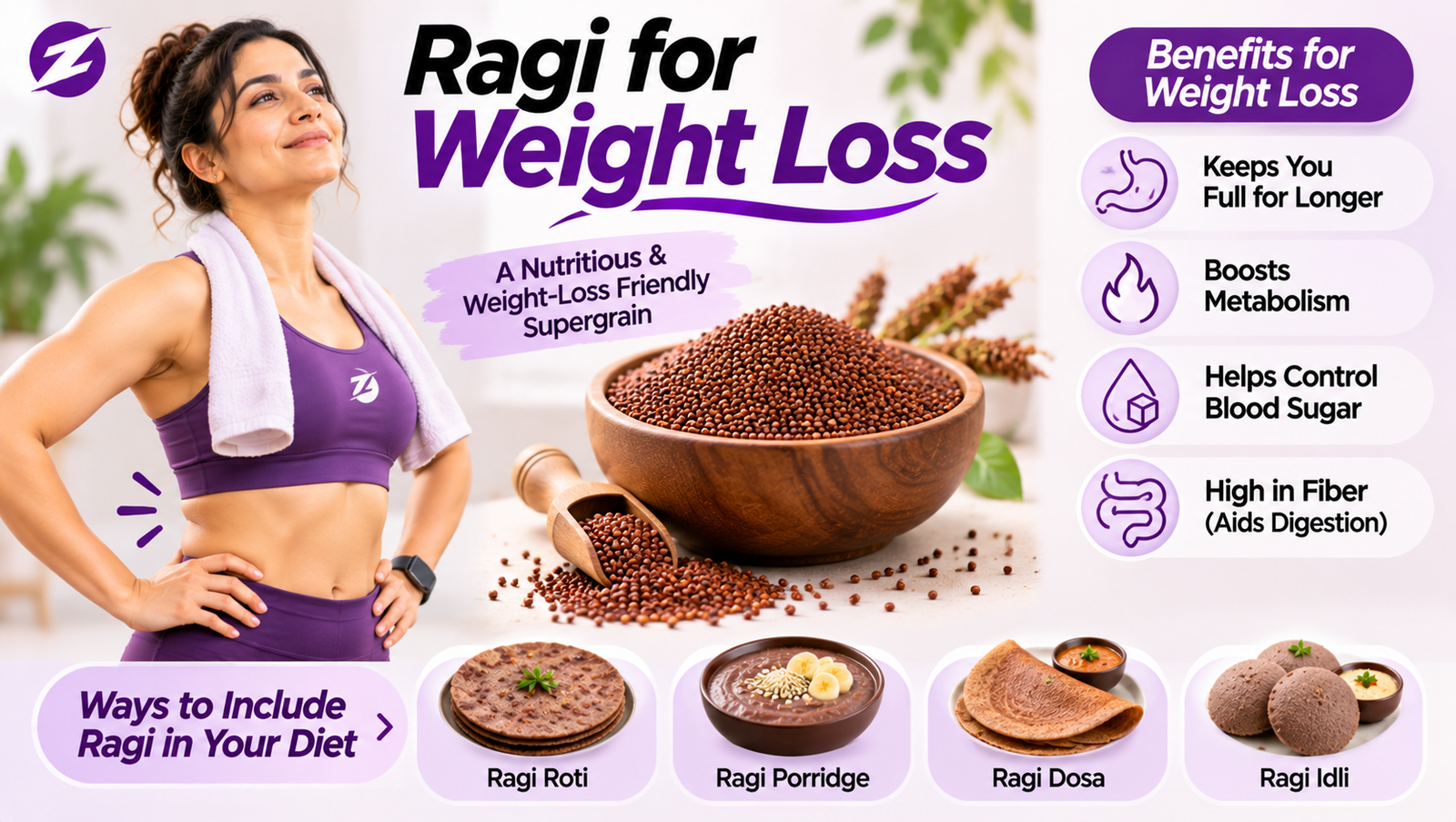
Ragi, also known as finger millet or nachni, is a popular traditional grain in Indian households. From ragi roti and dosa to porridge and cheela, it can be included in several everyday meals.
But is ragi actually good for weight loss? Can replacing wheat roti with ragi roti help reduce belly fat? And how much ragi should you eat if your goal is to manage your weight?
The truth is that ragi can be part of a balanced weight-loss diet, but it does not directly burn fat or cause weight loss on its own.
Its fibre content, nutritional value and versatility make it a useful grain choice. However, your overall food intake, portion sizes, physical activity and lifestyle habits matter much more than any single ingredient.
Let's understand how ragi fits into a practical Indian weight-management routine.
Ragi is a whole grain commonly used in Indian cooking. It is especially popular in Karnataka, Tamil Nadu, Andhra Pradesh and other parts of India.
It is known for its nutritional content, including:
Ragi is naturally gluten-free, making it an option for people who need to avoid gluten. However, people with coeliac disease should ensure that the flour and preparation are not contaminated with gluten-containing grains.
Because ragi can be prepared in different ways, it is easy to include in breakfast, lunch or dinner.
Yes, ragi can be included in a weight-loss diet. However, it is important to understand what it can and cannot do.
Ragi contains dietary fibre, which contributes to a balanced diet. Fibre-rich meals may help you feel satisfied and support normal digestive function.
Feeling satisfied after meals can make it easier to manage portions and avoid unnecessary snacking. For more ways to stay full while eating less, read how to lose weight without feeling hungry.
Ragi provides nutrients such as calcium, iron and magnesium. Including different whole grains in your diet can help improve overall dietary variety.
You can prepare ragi as roti, dosa, cheela, porridge or idli. This makes it easier to include the grain in a familiar eating pattern.
Using ragi as part of a balanced meal may help improve the nutritional quality of your diet, especially when it replaces highly refined grain products.
However, simply replacing wheat flour with ragi flour does not guarantee weight loss.
Important: Ragi does not have a special fat-burning property. Weight management depends on your overall calorie intake, food quality, physical activity, sleep and other individual factors.
Ragi roti is a popular option for people looking to add variety to their everyday meals. But is it automatically better than wheat roti for weight loss?
Not necessarily.
Both ragi flour and whole-wheat flour provide carbohydrates and energy. Their calorie content can vary depending on the flour, quantity used, roti size and preparation method.
| Comparison | Ragi Roti | Whole-Wheat Roti |
|---|---|---|
| Main ingredient | Ragi flour | Whole-wheat flour |
| Fibre | Provides dietary fibre | Provides dietary fibre |
| Gluten | Naturally gluten-free | Contains gluten |
| Calcium | Generally higher | Generally lower |
| Weight-loss suitability | Can fit into a balanced diet | Can also fit into a balanced diet |
There is no universal calorie number for every ragi or wheat roti. The size and weight of the roti, flour quantity and added ingredients make a difference.
Instead of focusing only on the type of flour, pay attention to your complete meal. Try combining:
This combination provides a more balanced meal than eating roti alone. To check whether your meals have enough protein, see how much protein an Indian woman needs every day.
If you want to include ragi in your daily diet, these simple Indian recipes can help you add variety.
Ragi vegetable cheela is a convenient breakfast or snack option.
Ingredients:
Preparation:
Serving tip: Pair it with curd or another suitable protein source for a more balanced meal.
Ragi dosa is an easy way to include finger millet in breakfast.
Ingredients:
Preparation:
Ragi porridge can be prepared as a breakfast or snack.
Ingredients:
Preparation:
Tip: Limit added sugar or jaggery if you are managing your overall calorie intake.
This savoury dish combines ragi with vegetables.
Ingredients:
Preparation:
This is a practical lunch or dinner option.
Ingredients:
Preparation:
This meal combines carbohydrates, plant-based protein and vegetables.
There is no single recommended ragi quantity specifically for weight loss. The right amount depends on your overall diet, activity level, energy needs and individual health requirements.
A practical way to start is to include ragi in one meal and observe how it fits into your daily food intake. For example:
You do not need to eat ragi in every meal. Variety matters, so include other grains such as wheat, oats, rice, jowar and bajra as part of a balanced diet.
Want results you can keep?Pair balanced meals with our online Zumba classes for weight loss, led live by a certified Zumba instructor, with morning and evening batches that fit around your day.
Book a Zumba TrialRagi is a nutritious grain, but eating it in large amounts or introducing it suddenly may not suit everyone. Some possible concerns include:
A sudden increase in fibre intake can cause gas, bloating or abdominal discomfort in some people. Increase fibre gradually and drink enough water.
Ragi contains carbohydrates and calories. Large portions or recipes containing excessive oil, sugar, jaggery or high-calorie toppings can increase the energy content of your meals.
Some people may experience discomfort after consuming particular foods. Pay attention to how your body responds.
Ragi contains minerals such as potassium and phosphorus. People with chronic kidney disease or specific dietary restrictions should consult their healthcare professional or registered dietitian before making significant dietary changes.
Eating only ragi porridge or ragi roti throughout the day can make your diet nutritionally unbalanced. Include adequate protein, healthy fats, vegetables and other food groups.
Ragi can fit into both weight-loss and weight-gain diets. The difference depends on your overall eating pattern.
| For Weight Management | For Weight Gain |
|---|---|
| Keep portions appropriate for your energy needs. | Include larger portions if they suit your calorie requirements. |
| Pair ragi with vegetables and protein. | Pair ragi with milk, nuts, seeds or other energy-rich foods. |
| Limit excessive added sugar and oil. | Add nutritious energy-dense ingredients where appropriate. |
| Maintain regular physical activity. | Combine adequate nutrition with appropriate strength training. |
The grain itself does not decide whether you gain or lose weight. Your overall energy intake and activity level play a much bigger role.
Food choices are only one part of a healthy lifestyle. Regular physical activity also plays an important role in weight management and overall health. You can combine a balanced diet with:
At Zyrax Fitness, you can explore Zumba and yoga as enjoyable ways to include regular movement in your routine.
Let's separate popular claims from what we actually know.
Fact: No single food selectively burns belly fat. Overall body-fat changes depend on several lifestyle and biological factors.
Fact: Ragi contains carbohydrates and provides energy. Portion size still matters.
Fact: Weight management depends on your complete diet and lifestyle, not one ingredient. The same is true of popular drinks, as we explain in jeera water for weight loss: no single food or drink can guarantee results.
Fact: Both can be part of a balanced diet. The better choice depends on your nutritional needs, preferences and health requirements.
Fact: A varied diet is more useful than relying on a single grain.
Ragi is a nutritious traditional grain that can add variety to your everyday meals. Whether you enjoy it as roti, dosa, cheela or porridge, it can be part of a balanced Indian diet.
However, don't expect ragi to burn fat or produce quick weight-loss results. Focus on appropriate portions, balanced meals, regular exercise and sustainable habits.
A healthy routine is built through consistency, not by depending on one special food.
Want to combine better food habits with enjoyable workouts? Explore Zyrax Fitness and discover ways to include Zumba, yoga and regular movement in your fitness journey.
Ragi can be included in a weight-loss diet because it provides fibre and other nutrients. However, it does not directly burn fat or guarantee weight loss.
Not necessarily. Both can fit into a balanced diet. Portion size, preparation method and the foods served alongside the roti matter.
You can include ragi regularly if it suits your dietary needs, but eating it every day is not necessary for weight loss. Include a variety of grains and foods.
There is no scientifically established best time to eat ragi for weight loss. You can include it at breakfast, lunch or dinner according to your preferences and meal plan.
No. Ragi does not selectively reduce belly fat. Overall fat loss depends on your complete eating pattern, physical activity and other individual factors.
Some people may experience digestive discomfort, especially when increasing fibre intake suddenly. People with specific medical dietary restrictions should seek professional advice.
Ragi can be included in either type of diet. The result depends on total calorie intake, portion sizes and overall lifestyle.
Yes, you can include ragi in dinner if it suits your digestion and overall meal plan. There is no strong evidence that eating ragi at night specifically causes weight loss.
Medical disclaimer: This article is for general educational purposes only and does not replace personalised nutrition or medical advice. Consult a qualified healthcare professional or registered nutritionist if you have a medical condition or specific dietary requirements.
Key Takeaways
Ready To Begin?
Join Zyrax Fitness's live online Zumba and yoga classes and make your fitness journey fun again.
Start Your Journey