In This Guide
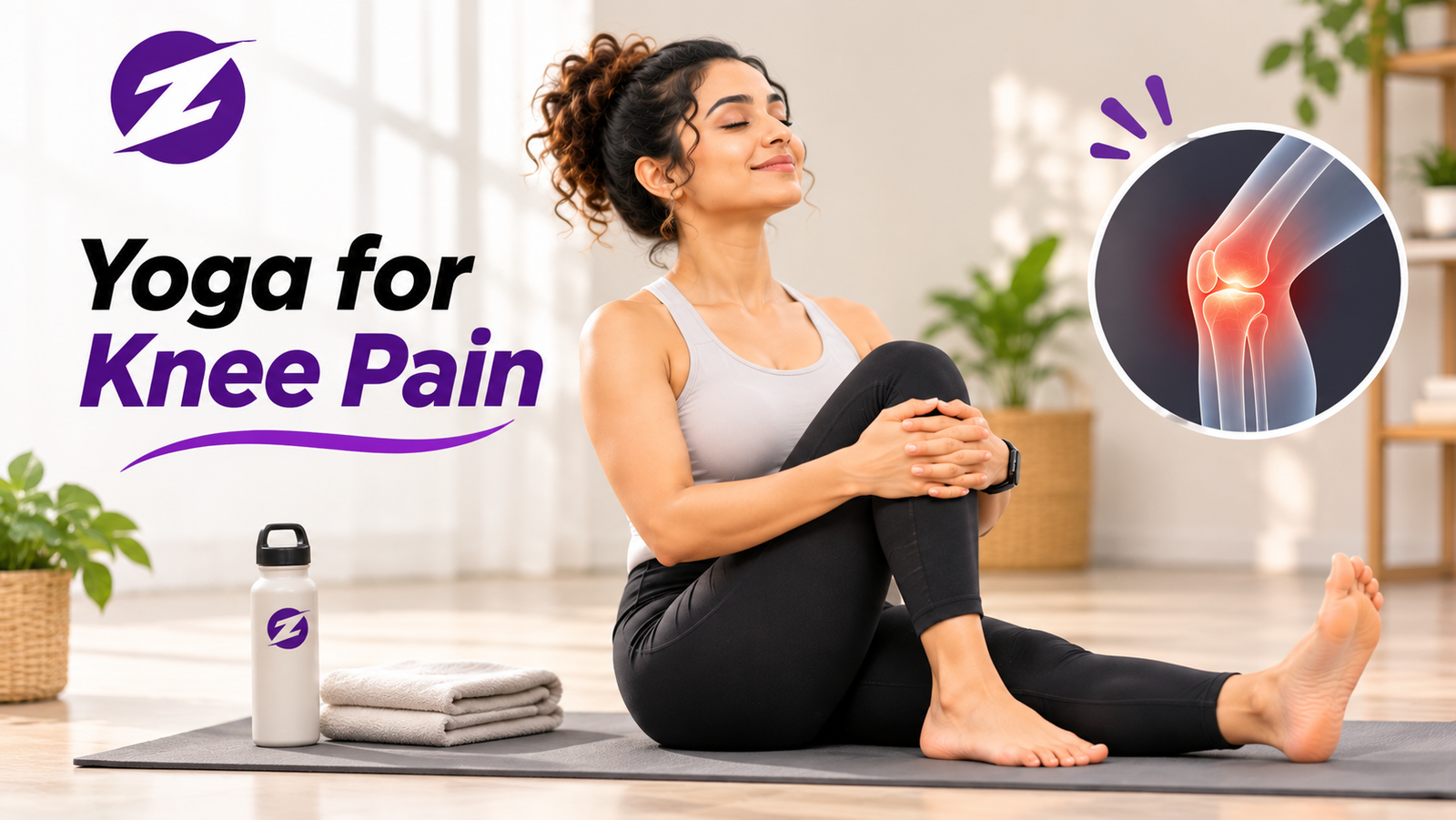
Knee pain can make everyday activities such as walking, climbing stairs, and exercising uncomfortable. Gentle yoga may help some people improve flexibility, balance, and physical function while supporting knee comfort.
Research suggests that yoga may reduce pain and stiffness in people with knee osteoarthritis. However, results vary, and yoga is not a cure or a replacement for medical care.
In this guide, learn how yoga may help knee pain, which gentle poses you can explore, and how to practice more safely.
Yoga may help some people with knee pain, particularly those with knee osteoarthritis.
A 2024 systematic review and meta-analysis of eight trials involving 756 people with knee osteoarthritis found that yoga was associated with improvements in pain, stiffness, and physical function compared with control groups. However, the studies varied considerably, and the findings do not mean yoga will work for everyone.
Yoga may be most useful as part of a broader care plan that includes appropriate exercise, professional guidance, and medical treatment when needed.
Some studies suggest that yoga may help reduce knee osteoarthritis pain and stiffness. Gentle movement may also help people feel more comfortable moving their joints.
Modified yoga poses can gently move the hips, ankles, and knees through comfortable ranges of motion. Avoid forcing stretches or pushing into pain.
Yoga often combines balance, controlled movement, and muscle engagement. Research suggests it may improve physical function for some people with knee osteoarthritis.
Breathing and relaxation practices may help manage stress and make exercise feel more approachable.
Choose poses that feel comfortable and adapt them to your mobility. A qualified yoga instructor or physiotherapist can help you select appropriate modifications.
Stand with your feet comfortably apart and your weight evenly distributed. Keep your knees soft rather than locked, and breathe naturally.
Why try it: Encourages posture awareness and gentle standing balance.
Stand in front of a sturdy chair. Slowly bend your knees only as far as comfortable, then return to standing. Use the chair for support and avoid deep squats.
Why try it: Allows a controlled, modified movement pattern. Skip it if bending increases your knee pain.
Lie on your back with your knees bent and feet comfortably placed. Gently lift your hips only if it feels comfortable, or place a support beneath your pelvis for a restorative variation.
Why try it: Engages the hips and legs without requiring standing balance.
Lie on your back and gently raise one leg, keeping the other leg relaxed. Use a strap behind your thigh if needed. Keep the knee slightly bent if straightening it is uncomfortable.
Why try it: Offers a controlled hamstring stretch without standing.
Lie comfortably on your back with support under your knees if helpful. Relax your body and breathe naturally.
Why try it: Provides a gentle way to finish a practice without placing additional demands on the knees.
Prefer to practise with a teacher?Join our live online yoga classes for women and get real-time guidance from a certified instructor, from the comfort of your home.
Book a Yoga TrialBefore starting yoga, consult a healthcare professional if your knee pain is persistent, severe, or unexplained.
If your knee is suddenly very painful, badly swollen, deformed, or you cannot bear weight on it, seek prompt medical assessment.
There is no single schedule that is suitable for everyone. Start with short, gentle sessions and adjust according to your comfort and professional guidance.
Research on knee osteoarthritis has included yoga programs lasting several weeks. Consistency may be helpful, but do not increase frequency or intensity if your symptoms worsen. If you are new to the mat, begin with yoga for beginners at home.
Yoga and Zumba serve different purposes.
If you have knee pain, choose activity based on your symptoms and medical advice. You may need to modify dance movements or avoid high-impact steps until a healthcare professional confirms what is appropriate. Our guides to Zumba with knee pain and low-impact cardio at home show gentler options.
Gentle, modified yoga may be a useful part of a knee-pain management plan. Start slowly, use support when needed, and avoid movements that cause pain.
For persistent or worsening knee symptoms, consult a healthcare professional before beginning a new exercise routine.
Gentle, modified yoga may be suitable for some people. The best poses depend on the cause of your knee pain, your mobility, and your comfort. A qualified instructor or physiotherapist can help you adapt a routine.
Yoga is not a guaranteed cure. It may help some people manage symptoms and improve function, but knee pain can have many causes that require different treatments.
That depends on the cause and severity of your pain. Avoid poses that worsen symptoms and seek professional advice if pain is persistent, severe, or associated with swelling or instability.
Research suggests yoga may help reduce pain and stiffness and improve physical function in some people with knee osteoarthritis. Evidence quality and individual results vary.
Some people may be able to participate with modifications, but high-impact steps, pivots, and sudden direction changes may aggravate symptoms. Ask a healthcare professional about suitable activity and modifications.
Medical disclaimer: This article is for general informational purposes only and is not a substitute for professional medical advice, diagnosis, or treatment.
Key Takeaways
Ready To Begin?
Join Zyrax Fitness's live online Zumba and yoga classes and make your fitness journey fun again.
Start Your Journey