In This Guide
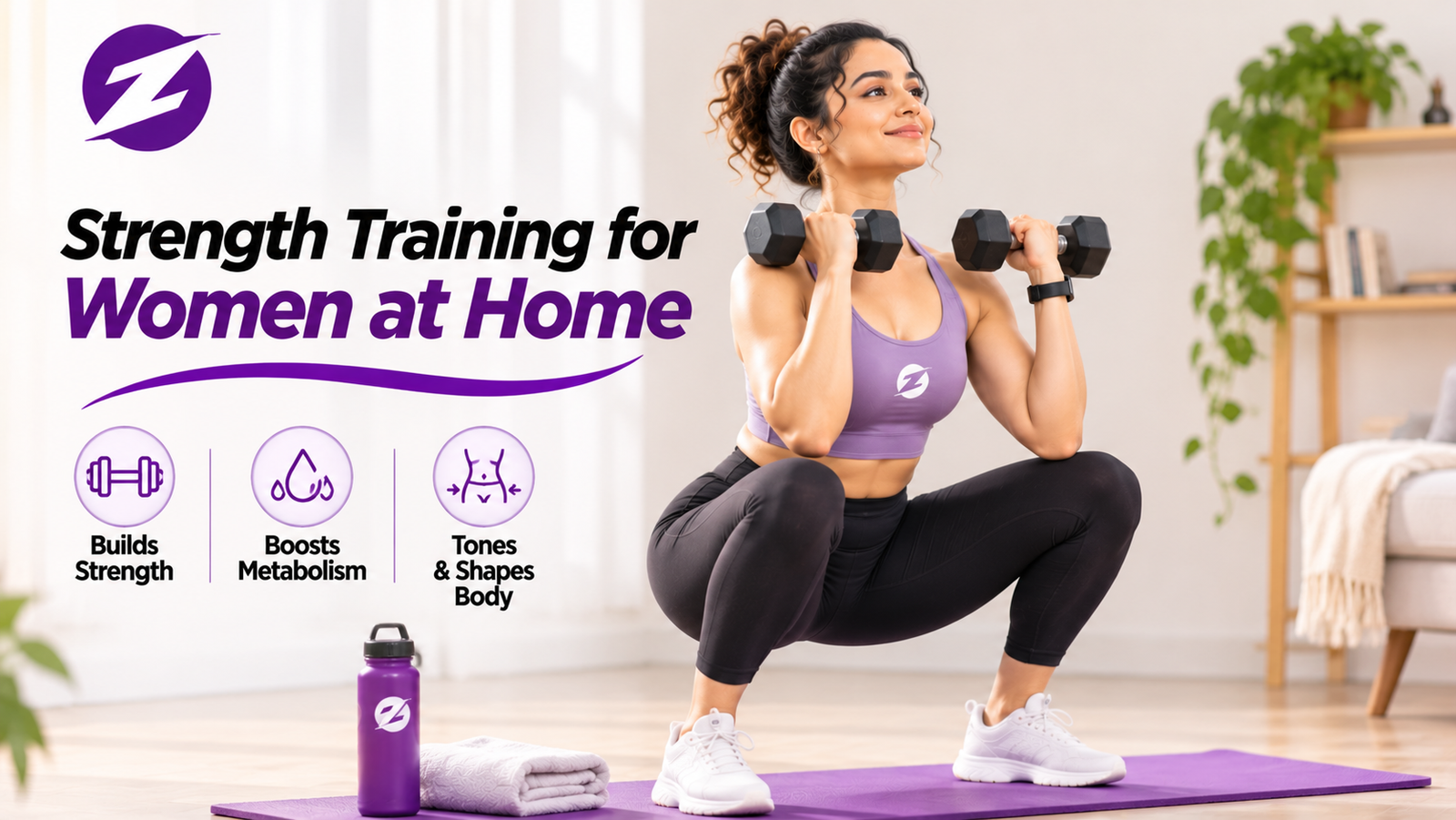
Strength training is an effective way for women to build muscle, improve strength, and support overall fitness. You do not need a gym membership or expensive equipment to get started. With a little space and a consistent routine, you can train at home using bodyweight exercises, resistance bands, or dumbbells.
Whether your goal is to feel stronger, improve muscle tone, or make everyday activities easier, this guide will help you begin safely and confidently.
Strength training challenges your muscles and helps them adapt over time. Regular practice can improve strength and support muscle development.
Resistance exercise places beneficial demands on bones and muscles. Alongside other weight-bearing activities, it can help support bone health as you age. Read more in exercises for strong bones.
Exercises such as squats, rows, and presses strengthen muscles used in daily activities like carrying groceries, climbing stairs, and lifting objects.
Strength training can help maintain or increase muscle mass as part of a balanced fitness routine. Combine it with regular physical activity and nutritious eating habits for overall health.
You can start with bodyweight exercises and gradually add resistance as your strength improves. This makes home strength training accessible to many beginners.
Start with exercises that feel comfortable and focus on controlled movement. You can use bodyweight, resistance bands, or dumbbells.
Stand with your feet about shoulder-width apart. Bend your knees and hips as if sitting back into a chair, then return to standing.
Works: Thighs, glutes, and hips.
Lie on your back with your knees bent and feet flat on the floor. Lift your hips, squeeze your glutes gently, and lower with control. For more moves, see glute exercises for women at home.
Works: Glutes and hamstrings.
Place your hands against a wall or a sturdy elevated surface. Bend your elbows to bring your chest closer, then push back.
Works: Chest, shoulders, and triceps.
Secure a resistance band safely. Pull the band toward your torso while keeping your shoulders relaxed, then return slowly.
Works: Upper back and biceps.
Hold light dumbbells at shoulder height. Press them overhead without arching your back, then lower slowly.
Works: Shoulders and triceps.
Start on your hands and knees. Extend one arm and the opposite leg while keeping your torso steady. Return and switch sides.
Works: Core and back muscles.
Try this simple two-day routine on non-consecutive days each week. Rest between sets and adjust repetitions to your ability.
| Exercise | Sets | Repetitions |
|---|---|---|
| Bodyweight squats | 2 | 8–12 |
| Glute bridges | 2 | 10–12 |
| Wall or incline push-ups | 2 | 8–10 |
| Resistance band rows | 2 | 8–12 |
| Dumbbell shoulder press | 2 | 8–10 |
| Bird dog | 2 | 8 per side |
Start with one set if needed. As the exercises become easier, gradually increase repetitions, sets, or resistance while maintaining good technique. No equipment yet? Try our home exercises without equipment.
Want a routine you'll actually stick to?Join our online Zumba classes for women or live online yoga, led by certified instructors, with morning and evening batches.
Book Your TrialFor beginners, two strength-training sessions per week on non-consecutive days is a practical starting point. You can gradually progress toward two or three sessions per week depending on your goals, recovery, and schedule.
Allow your muscles time to recover between challenging sessions. Gentle walking or mobility exercises can be done on other days. A low-impact cardio workout also fits well on non-strength days.
If you are pregnant, recently postpartum, recovering from an injury, or managing a medical condition, consult a healthcare professional about suitable modifications before starting.
Strength training at home can help women build strength, support bone health, and improve everyday movement without needing a gym. Start with simple exercises, focus on good technique, and increase the challenge gradually.
The most effective routine is one you can practice consistently and safely.
Yes. Women can build muscle through progressive strength training at home using bodyweight exercises, resistance bands, or weights. Gradually increasing the challenge helps muscles adapt.
Yes. Bodyweight exercises such as squats, push-ups, and glute bridges can improve strength, especially for beginners. As you progress, resistance bands or dumbbells can provide additional challenge.
A beginner session may take around 20–40 minutes, depending on the exercises, sets, and rest periods. Consistency and good technique matter more than workout length.
Strength training does not automatically make women bulky. Muscle growth depends on training, nutrition, genetics, and other factors. Many women strength train to improve strength, muscle definition, and overall fitness.
It depends on your main goal. If strength is your priority, do strength training first while you are fresh. You can perform cardio afterward or on separate days.
Disclaimer: This article is for general informational purposes only and is not a substitute for professional medical advice, diagnosis, or treatment.
Key Takeaways
Ready To Begin?
Join Zyrax Fitness's live online Zumba and yoga classes and make your fitness journey fun again.
Start Your Journey