In This Guide
Pregnancy brings many physical and emotional changes. As your body adapts to your growing baby, staying active through gentle exercise may help you feel more comfortable, relaxed, and physically prepared for the months ahead.
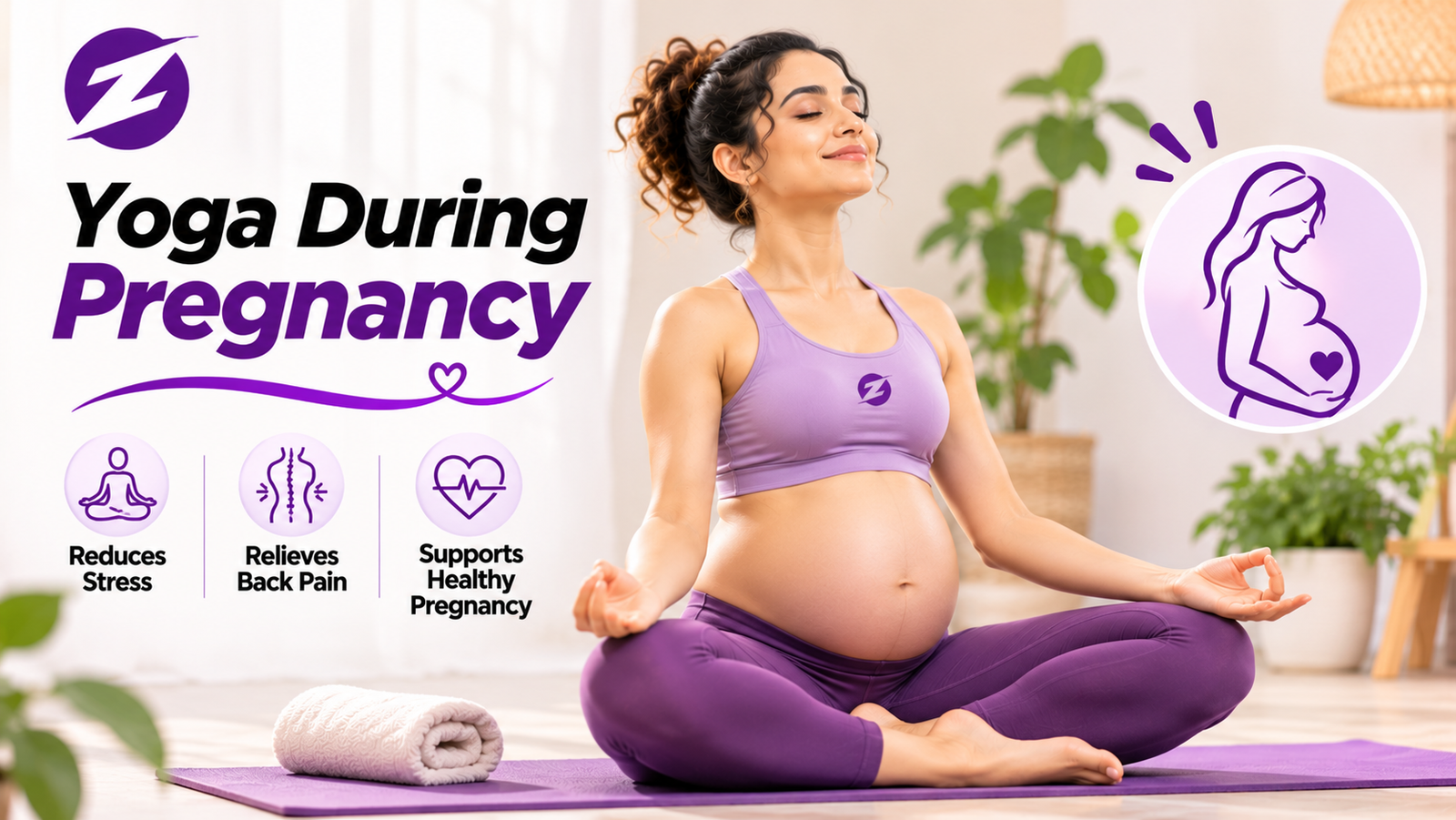
Yoga during pregnancy, also known as prenatal yoga, combines gentle movements, stretching, breathing exercises, and relaxation. When practiced with appropriate modifications and medical guidance, it can be a suitable form of physical activity for many women with uncomplicated pregnancies.
Not every yoga pose is suitable during pregnancy. Your exercise routine should change as your pregnancy progresses, and your healthcare professional should guide you on what is safe for your individual situation.
In this guide, we'll explore the benefits of pregnancy yoga, first-, second-, and third-trimester considerations, gentle poses, and important safety precautions.
For most women with healthy, uncomplicated pregnancies, modified yoga can be a safe way to stay physically active.
The American College of Obstetricians and Gynecologists (ACOG) recommends physical activity during pregnancy when there are no medical or obstetric reasons to avoid it. Modified yoga is among the activities that may be appropriate.
However, pregnancy is not the time to push your body into challenging poses or begin an intense exercise routine without guidance.
Before starting yoga:
Important: Women with certain pregnancy complications may need to avoid exercise or follow an individually modified routine. Always get medical clearance first.
When practiced appropriately, prenatal yoga may offer several physical and emotional benefits.
Pregnancy can bring emotional changes, uncertainty, and stress. Gentle yoga combines controlled breathing, mindful movement, and relaxation, which may help some women feel calmer.
As your baby grows, your posture and centre of gravity change. This can put additional pressure on your lower back.
Gentle stretching and modified yoga movements may help improve comfort and mobility.
Pregnancy can affect joint stability and movement. Gentle, controlled yoga may help maintain comfortable mobility without requiring high-impact exercise.
Avoid deep stretches because pregnancy-related hormonal changes can make joints and ligaments more flexible.
Relaxation exercises and gentle breathing may help you unwind, particularly when physical discomfort makes it harder to relax.
Breathing awareness can help you become more familiar with your breathing patterns and develop relaxation techniques that may be useful during pregnancy.
Yoga can be part of a balanced physical activity routine. Staying active during an uncomplicated pregnancy may support cardiovascular fitness and reduce the risk of certain pregnancy-related complications. If you have been diagnosed with high blood sugar in pregnancy, read exercise with gestational diabetes.
However, yoga alone cannot guarantee a healthy pregnancy or a particular delivery outcome.
Your body changes throughout pregnancy, so your yoga practice should change too. The following are general considerations, not a personalised exercise prescription.
The first trimester involves significant hormonal and physical changes. Some women experience nausea, fatigue, breast tenderness, or dizziness.
If your healthcare professional confirms that exercise is suitable, gentle yoga may be an option.
Practices to consider:
Safety tips:
If you were not exercising before pregnancy, start gradually rather than immediately following an intense yoga routine.
As your pregnancy progresses, your belly grows and your centre of gravity begins to change. Balance may become more challenging. You may need additional support and modifications.
Practices to consider:
Safety tips:
During the third trimester, your growing belly may make some movements uncomfortable. Balance and mobility can also become more challenging.
The focus should be on comfort, gentle mobility, and relaxation rather than flexibility or physical performance.
Practices to consider:
Safety tips:
Your healthcare professional should guide your activity as you approach delivery.
The following are examples of gentle movements that may be suitable for some pregnant women after medical clearance. They should be modified according to your trimester, comfort, and instructor's guidance.
Start on your hands and knees with your wrists below your shoulders and knees comfortably positioned.
Potential benefit: Encourages gentle spinal movement and may help with back discomfort.
Sit comfortably with the soles of your feet together. Allow your knees to move outward naturally without pressing them down.
Potential benefit: Provides a gentle inner-thigh and hip stretch.
Kneel on a comfortable mat and gently separate your knees to make room for your belly. Place a bolster or cushions in front of you for support.
Potential benefit: May encourage relaxation and gentle stretching.
This pose is not suitable for everyone. Skip it if kneeling or bending creates discomfort.
Stand with your feet comfortably apart and your weight evenly distributed.
Potential benefit: Encourages posture awareness and standing balance.
Lie comfortably on your side with cushions supporting your head, belly, and legs as needed.
Potential benefit: Provides a comfortable way to rest and relax.
Not all traditional yoga poses are suitable during pregnancy. Some may increase the risk of falling, overheating, excessive stretching, or abdominal discomfort.
Unless specifically cleared and appropriately modified by your healthcare professional, avoid:
Never force your body into a pose simply because it is part of a traditional yoga sequence.
Thinking about exercise after your baby arrives?Once your doctor has cleared you after delivery, our live online yoga and gentle online Zumba classes for women offer low-impact options you can follow from home.
Ask About Postnatal ClassesThere is no single yoga schedule that is appropriate for every pregnant woman.
For women without pregnancy complications, ACOG recommends aiming for at least 150 minutes of moderate-intensity aerobic activity per week, spread throughout the week. This recommendation includes overall physical activity, not 150 minutes of yoga specifically.
A practical approach may include:
If you are new to exercise, start slowly and increase activity only with your healthcare professional's approval. If you enjoy dance, see Can you do Zumba while pregnant? for a trimester-by-trimester guide.
Many women search for yoga during pregnancy for normal delivery. However, it is important to understand what research actually supports.
Gentle prenatal yoga may help improve relaxation, mobility, and physical well-being. Regular physical activity during uncomplicated pregnancy is also associated with several positive maternal health outcomes.
However, there is no guarantee that yoga will result in a normal vaginal delivery. The type of delivery depends on several factors, including the mother's health, baby's position, pregnancy complications, and medical circumstances during labour.
Yoga should be practiced for general well-being, not as a guaranteed method of achieving a particular delivery outcome.
Stop exercising and contact your healthcare professional if you experience:
If you experience severe symptoms, seek urgent medical attention. Your safety and your baby's well-being should always come before completing a workout.
Yoga during pregnancy can be a gentle way to stay active, improve relaxation, and maintain comfortable movement when your pregnancy and medical circumstances allow it.
From the first trimester to the third, your practice should adapt to your changing body. Choose supported movements, avoid overheating, and never push through pain or discomfort.
Most importantly, consult your healthcare professional before starting prenatal yoga and work with an instructor who has appropriate prenatal training. When you are ready to return to exercise after delivery, read Zumba after pregnancy.
At Zyrax Fitness, we believe that fitness should support your health at every stage of life. Choose movement that respects your body's needs and always put safety first.
Gentle, appropriately modified yoga may be suitable for women with uncomplicated pregnancies after medical clearance. Avoid overheating, strenuous routines, and advanced poses.
Some commonly adapted options include gentle cat-cow movements, supported butterfly pose, comfortable standing poses, and relaxation exercises. Suitability depends on your trimester and medical condition.
Yes, some women can begin gentle physical activity during pregnancy even if they were previously inactive. However, discuss your plans with your obstetrician and begin gradually.
Yoga may support relaxation, mobility, and general physical well-being. However, it cannot guarantee a normal vaginal delivery or prevent the need for a C-section.
There is no universal session duration for prenatal yoga. Start with short, comfortable sessions and follow the advice of your healthcare professional and qualified instructor.
Modified prenatal yoga may be suitable for some women during the third trimester. Supported positions, gentle movements, and relaxation are generally preferable to challenging poses. Seek individual medical guidance.
Some pregnancy complications require restrictions or individual exercise modifications. Do not begin yoga without clearance from your obstetrician.
Gentle, appropriately modified yoga may help some women manage back discomfort by supporting mobility and relaxation. Persistent or severe pain should be assessed by a healthcare professional.
References: ACOG, Exercise During Pregnancy · ACOG Committee Opinion 804, Physical Activity and Exercise During Pregnancy and the Postpartum Period · NHS, Exercise in Pregnancy · Lučovnik et al. (2021), systematic review · Curtis et al. (2012), Yoga During Pregnancy · Gong et al. (2015), Yoga and Prenatal Depression
Medical Disclaimer: This article is intended for general educational purposes only. It does not replace medical advice, diagnosis, or treatment. Pregnancy exercise recommendations differ between individuals. Always consult your obstetrician or qualified healthcare professional before starting or changing an exercise routine during pregnancy.
Key Takeaways
Ready To Begin?
Join Zyrax Fitness's live online Zumba and yoga classes and make your fitness journey fun again.
Start Your Journey