In This Guide
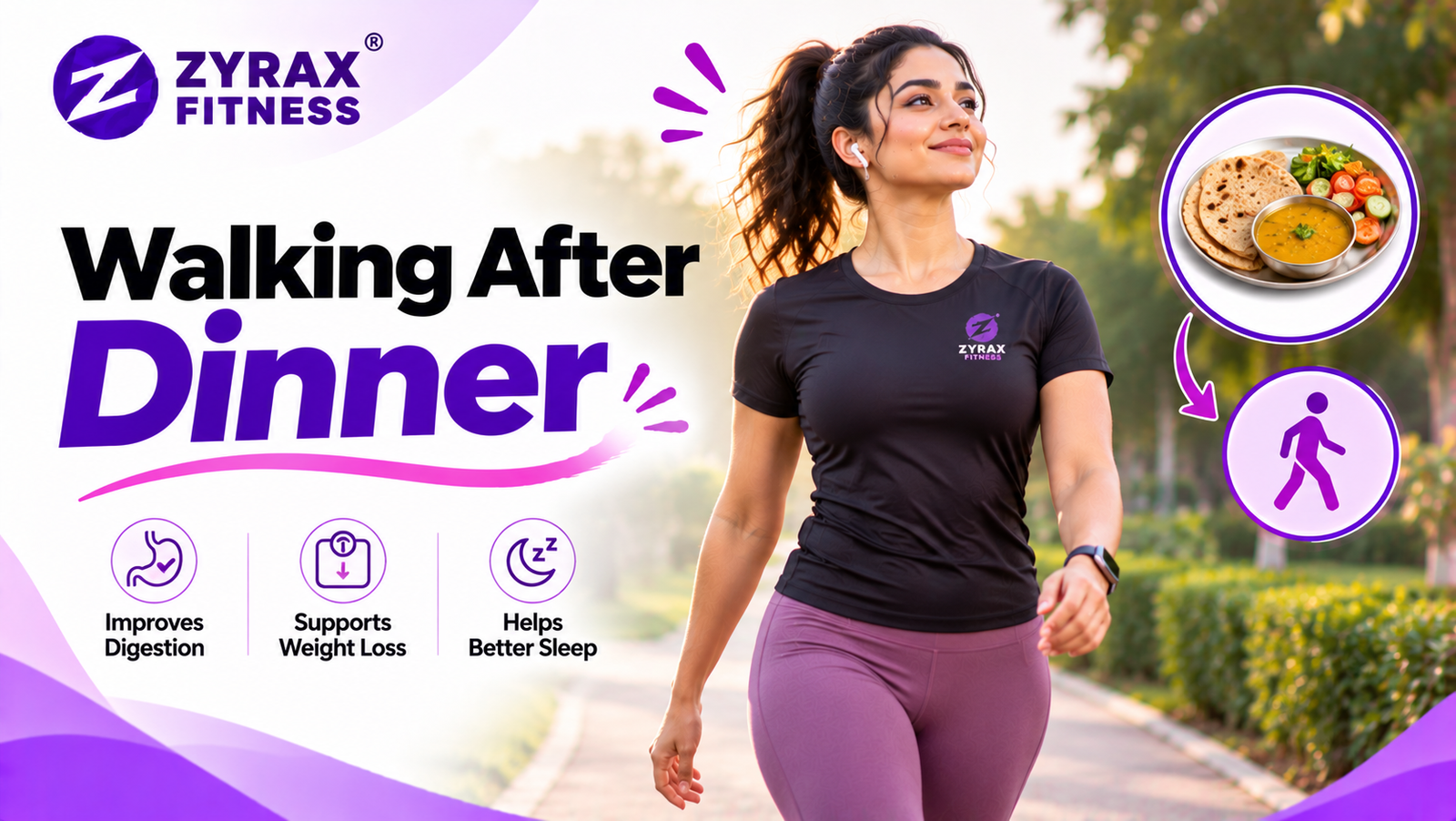
Walking after dinner is a simple habit that may support digestion, blood sugar management, and overall health. You don't need an intense workout or a long walk to get started. Even a short, comfortable stroll after your evening meal can be beneficial.
In this guide, we'll explore the benefits of walking after dinner, when to start, how long to walk, and how to make it part of your daily routine.
One of the most researched benefits of walking after meals is its effect on post-meal blood sugar.
A systematic review and meta-analysis found that exercise after eating reduced post-meal glucose rises more effectively than exercise before eating or remaining inactive. Walking soon after a meal may be particularly helpful for people who spend much of the day sitting.
However, walking is not a replacement for prescribed diabetes medication or medical advice.
A gentle walk after dinner can help you avoid sitting still for a long period immediately after eating. Some people find light movement comfortable after a meal.
Walking should feel easy rather than strenuous. If you experience discomfort, slow down or rest.
A short evening walk is an accessible way to increase daily physical activity. It can be especially useful if you have a desk-based job or find it difficult to fit exercise into a busy schedule. For more ideas, see our desk exercises for working women.
Walking contributes to your overall daily activity and energy expenditure. When combined with balanced eating habits and regular exercise, it can support weight-management goals. Our guide on how many steps a day to lose weight explains more.
Walking after dinner alone does not guarantee weight loss. Results depend on your overall activity, nutrition, sleep, and consistency.
A calm walk may provide a transition between a busy day and bedtime. Choose a comfortable pace and a safe, pleasant route. To wind down further, try our yoga for better sleep routine.
You can generally begin with a gentle walk soon after finishing dinner, as long as you feel comfortable.
Research suggests that post-meal activity can be beneficial when performed relatively soon after eating. You do not need to wait a long time before starting a light stroll.
If you have eaten a large meal or feel overly full, wait until you feel comfortable and begin slowly.
There is no single duration that works for everyone. Start with a manageable amount and build gradually.
| Experience Level | Suggested Starting Point |
|---|---|
| Beginner | 5–10 minutes |
| Comfortable with walking | 10–20 minutes |
| Already physically active | A duration that fits your overall activity plan |
These are practical starting suggestions, not strict medical prescriptions. Choose a pace that allows you to speak comfortably.
Want a routine you'll actually stick to?Join our online Zumba classes for women or live online yoga, led by certified instructors, with morning and evening batches.
Book Your TrialBoth can contribute to your daily physical activity. However, research suggests that activity after a meal may be more effective at reducing the immediate rise in blood sugar following that meal.
If your goal is to support post-meal blood sugar management, a short walk after eating may be a useful habit. For more on this, read insulin resistance in women. For general fitness, the best time to walk is the time you can maintain consistently.
Walking after dinner is a simple way to add movement to your daily routine. A short, gentle stroll may help manage post-meal blood sugar and support overall activity levels.
Start with a few minutes, listen to your body, and focus on consistency. Small habits can become meaningful parts of a healthier lifestyle.
Walking increases daily physical activity and can support weight management when combined with balanced nutrition and other healthy habits. It does not guarantee weight loss on its own.
A gentle walk soon after dinner is generally comfortable for many people. If you feel too full or uncomfortable, wait a little and start slowly.
Ten minutes is a useful starting point, especially if you are new to regular exercise. You can gradually increase your walking time as your fitness and comfort improve.
If it fits your schedule and feels comfortable, short walks after meals can help you add movement throughout the day. Start with the meal after which walking is easiest to maintain.
Disclaimer: This article is for general informational purposes only and is not a substitute for professional medical advice. If you have a medical condition or specific exercise restrictions, consult your healthcare professional before changing your activity routine.
Key Takeaways
Ready To Begin?
Join Zyrax Fitness's live online Zumba and yoga classes and make your fitness journey fun again.
Start Your Journey