In This Guide
High cholesterol is a common health concern, particularly as women get older. Changes in lifestyle, diet, physical activity, and hormonal health can influence cholesterol levels and overall cardiovascular health.
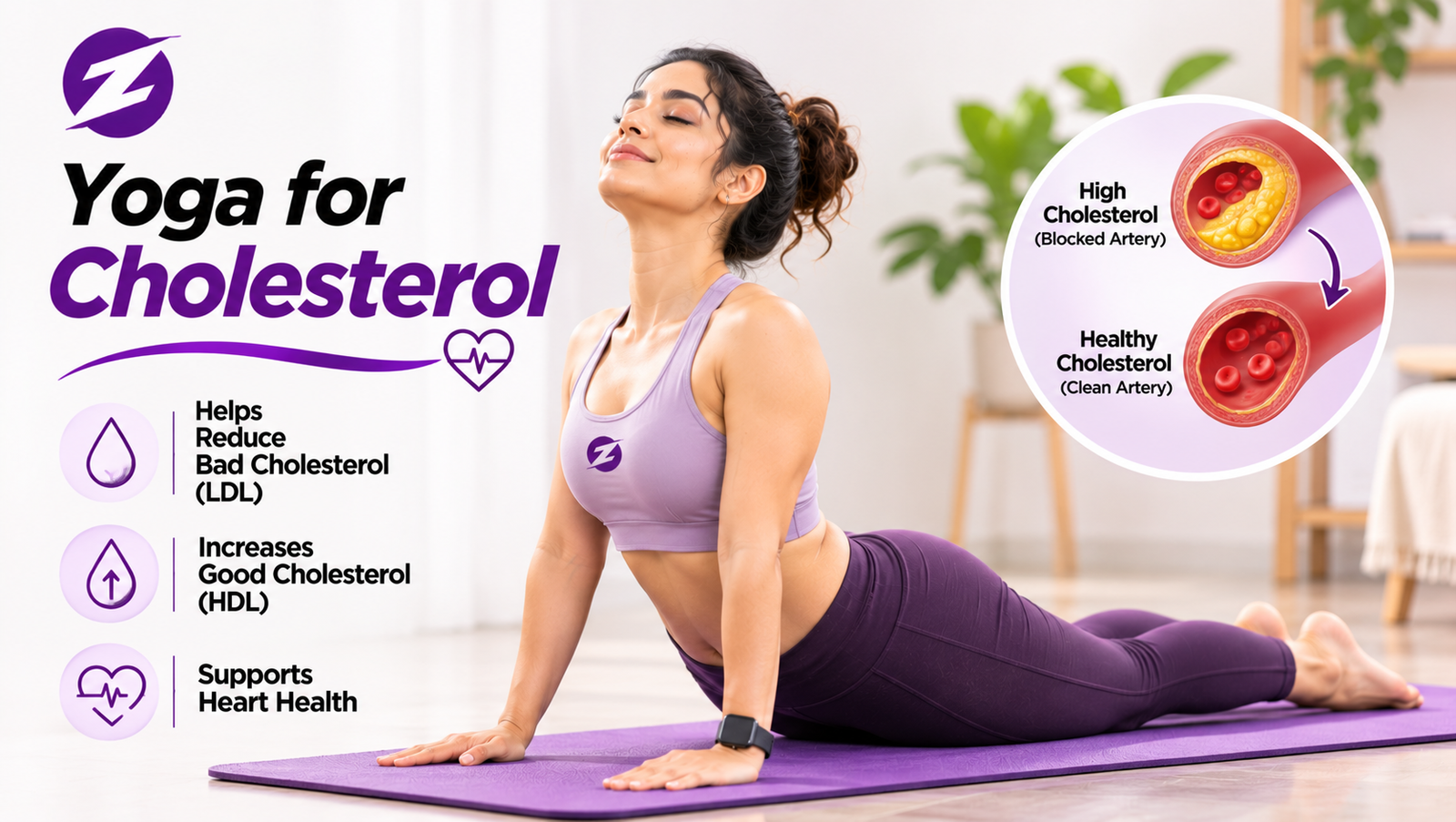
Yoga is often recommended as a gentle way to stay active, manage stress, and support general well-being. But can yoga actually help lower cholesterol?
Research suggests that regular yoga practice may have a positive effect on certain cholesterol measurements, including LDL cholesterol and triglycerides. However, the evidence has limitations, and yoga should be considered a complementary lifestyle activity rather than a treatment for high cholesterol.
In this guide, we'll explore what research says about yoga for cholesterol, gentle yoga poses, a simple weekly practice, and important precautions.
Cholesterol is a waxy substance naturally produced by your liver. Your body needs it to build cells and produce certain hormones.
However, having unhealthy levels of cholesterol in your blood can increase the risk of cardiovascular disease.
There are different types of cholesterol and blood fats:
Regular blood tests help your healthcare professional understand your cholesterol levels and assess your cardiovascular risk.
Research suggests that yoga may help improve certain lipid measurements, including total cholesterol, LDL cholesterol, and triglycerides.
A 2022 systematic review and meta-analysis published in Frontiers in Nutrition examined 53 studies involving 13,191 participants. The researchers reported average reductions in:
| Cholesterol Measurement | Reported Average Change |
|---|---|
| Total cholesterol | −10.3 mg/dL |
| LDL cholesterol | −8.6 mg/dL |
| Triglycerides | −13.5 mg/dL |
These findings are encouraging, but there are important limitations. These are averages across studies and do not predict how much any one person's levels will change.
The studies varied in their yoga practices, participants, and research methods. The researchers also reported substantial heterogeneity, meaning the results were not consistent across all studies.
A separate 2023 review of 64 randomised controlled trials also investigated yoga's effects on cardiovascular risk factors, including blood pressure, BMI, lipid levels, and HbA1c.
What does this mean? Yoga may be a useful addition to a healthy lifestyle, but current evidence does not establish it as a standalone treatment for high cholesterol.
Yoga combines physical movement, breathing practices, and relaxation. These elements may support several aspects of cardiovascular health. If blood pressure is also a concern, see our guide to yoga for high blood pressure.
Some research suggests that regular yoga practice may help improve total cholesterol, LDL cholesterol, and triglycerides. However, individual results vary, and yoga should not replace prescribed cholesterol treatment.
Chronic stress can influence lifestyle habits, sleep, and overall health. Gentle yoga and relaxation exercises may help some people manage everyday stress and develop healthier routines.
Yoga provides an opportunity to move your body, improve mobility, and maintain an active lifestyle. Combining yoga with walking and other appropriate aerobic activities can help you build a more balanced fitness routine.
Gentle yoga movements can help maintain flexibility, balance, and comfortable joint movement. This can be particularly useful for women who want to remain physically active as they get older.
Some studies have investigated yoga's effects on BMI, blood glucose markers, and other metabolic measurements. However, improvements in these measurements should not be interpreted as proof that yoga treats diabetes, obesity, or cardiovascular disease.
The following gentle yoga poses can be included in a general fitness routine. They are not proven cholesterol-lowering treatments, but they can help support movement, flexibility, and relaxation.
Tadasana is a basic standing yoga pose that encourages posture awareness and balance.
How to practise:
Potential benefit: Encourages balance, posture, and body awareness.
Cat-Cow is a gentle movement that alternates between rounding and extending the spine.
How to practise:
Potential benefit: Encourages spinal mobility and gentle movement.
Bridge Pose involves lifting your hips while lying on your back.
How to practise:
Potential benefit: Engages the glutes and muscles around the hips.
Butterfly Pose is a seated yoga position that gently stretches the inner thighs.
How to practise:
Potential benefit: Supports comfortable hip mobility.
Shavasana is a relaxation pose commonly practised at the end of a yoga session.
How to practise:
Potential benefit: Encourages rest and relaxation.
Prefer to practise with a teacher?Join our live online yoga classes for women and get real-time guidance from a certified instructor, from the comfort of your home.
Book a Yoga TrialConsistency is more important than attempting difficult poses or exercising intensely.
Here is a simple example of a weekly yoga routine for generally healthy adults. Adjust it according to your fitness level and medical advice.
| Day | Suggested Practice | Duration |
|---|---|---|
| Monday | Tadasana, Cat-Cow, Butterfly Pose | 20 minutes |
| Tuesday | Gentle yoga and relaxation | 15–20 minutes |
| Wednesday | Bridge Pose, Cat-Cow, Shavasana | 20 minutes |
| Thursday | Gentle walking and stretching | 20–30 minutes |
| Friday | Standing poses and seated yoga | 20 minutes |
| Saturday | Gentle full-body yoga | 20–30 minutes |
| Sunday | Rest or comfortable walking | Optional |
This is an example of a general movement routine, not a clinically established cholesterol treatment schedule.
For cardiovascular health, consider combining yoga with regular aerobic exercise such as brisk walking, cycling, or swimming, as recommended by your healthcare professional. A short walk after dinner is an easy way to add daily movement.
High LDL cholesterol and elevated triglycerides are different lipid-related concerns, and both deserve attention.
Research on yoga has reported improvements in these measurements, but the response can vary between individuals.
For people with elevated cholesterol or triglycerides, a broader lifestyle approach may include:
Yoga may complement these habits, but it should not be used as a substitute for cholesterol management.
Some research has explored yoga's effects on both lipid levels and blood glucose measurements.
However, high cholesterol and diabetes are separate health concerns that require appropriate assessment and management. Read more about insulin resistance in women.
If you have both conditions, your healthcare professional may recommend:
Yoga can be included as a complementary physical activity if it is appropriate for your health.
Yoga is generally adaptable, but certain poses and movements may not be suitable for everyone. Follow these precautions:
Most importantly: Never stop or reduce prescribed cholesterol medication because you have started practising yoga.
Yoga for cholesterol can be a useful addition to a healthy lifestyle. Research suggests that regular yoga practice may support improvements in certain cholesterol measurements, including LDL cholesterol and triglycerides.
However, yoga should not be viewed as a replacement for medical treatment or a guaranteed way to lower cholesterol.
Combine gentle yoga with walking, balanced nutrition, and appropriate physical activity to support your overall cardiovascular health.
At Zyrax Fitness, we believe that fitness is about building sustainable habits, improving mobility, and supporting your health at every stage of life.
Some research suggests that regular yoga practice may improve total cholesterol, LDL cholesterol, and triglycerides. However, the evidence has limitations, and yoga should complement rather than replace medical treatment.
Gentle practices such as Tadasana, Cat-Cow, Butterfly Pose, Bridge Pose, and relaxation exercises can be included in a general yoga routine. No particular yoga pose has been established as a treatment for high cholesterol.
You can follow a regular, comfortable yoga routine based on your fitness level. Combining yoga with recommended aerobic physical activity is a more comprehensive approach to cardiovascular health.
Some studies have reported reductions in LDL cholesterol among people practising yoga. However, individual results vary, and yoga is not a substitute for prescribed cholesterol-lowering medication.
Research suggests that yoga may have positive effects on lipid measurements, including triglycerides. However, it should be combined with appropriate nutrition, physical activity, and medical follow-up.
Many women over 40 can practise appropriately modified yoga. Choose movements according to your fitness and health conditions, and consult your healthcare professional if you have existing cardiovascular concerns.
No. Yoga is not a proven cure for high cholesterol. It may support a healthy lifestyle, but cholesterol management may also require dietary changes, medication, and regular medical monitoring.
Many people taking cholesterol-lowering medication can practise suitable yoga. Continue your medication as prescribed and ask your healthcare professional about any exercise restrictions.
References: Ghazvineh et al. (2022), The effects of yoga on lipid profile: a systematic review and meta-analysis, Frontiers in Nutrition (53 studies, 13,191 participants) · Isath et al. (2023), The effect of yoga on cardiovascular disease risk factors: a meta-analysis (64 randomised controlled trials)
Medical Disclaimer: This article is for general educational purposes only. It does not replace professional medical advice, diagnosis, or treatment. If you have high cholesterol, heart disease, diabetes, or take regular medication, consult your healthcare professional before beginning a new exercise routine. Never stop prescribed medication without medical advice.
Key Takeaways
Ready To Begin?
Join Zyrax Fitness's live online Zumba and yoga classes and make your fitness journey fun again.
Start Your Journey